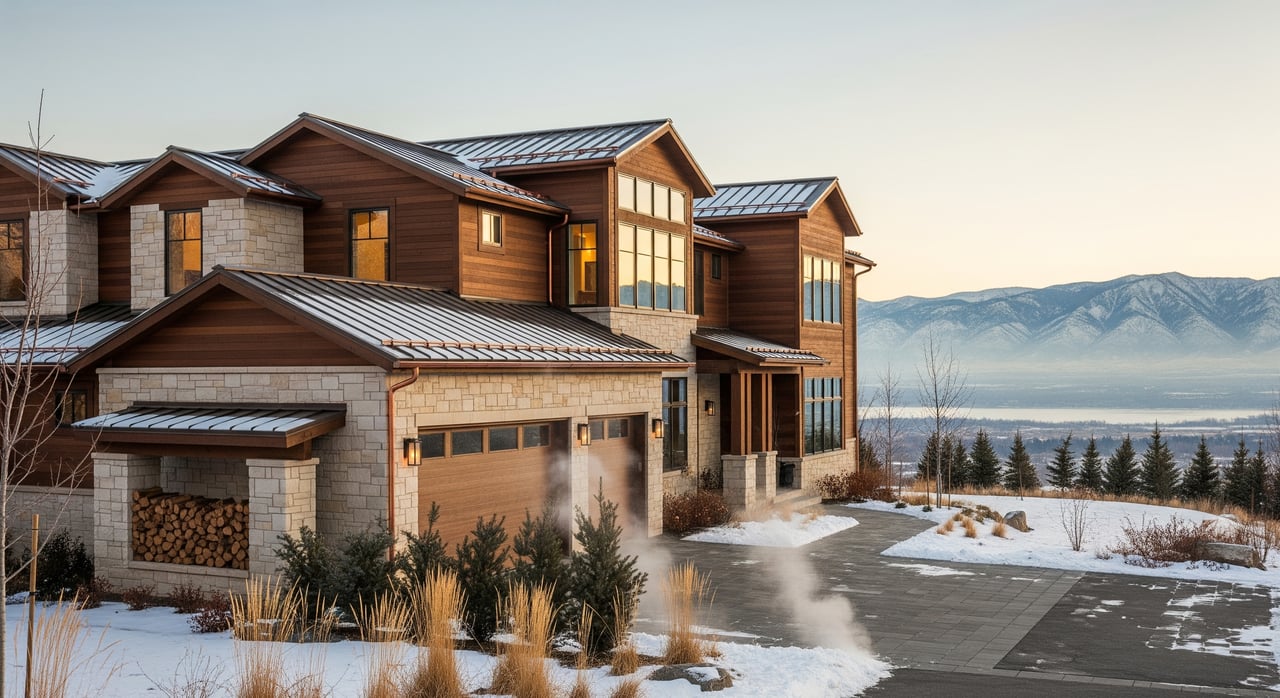
Winter comes earlier and stays longer on Highland’s bench, and your home feels it. If you have sprinklers, a steep roof, or a wide driveway, you have more exposure to freeze–thaw cycles, ice dams, and heavy, wet snow. You want to protect your investment now and be ready to sell with confidence when spring returns. This local checklist walks you through what matters most in Highland, with practical steps you can tackle in order. Let’s dive in.
Why Highland homes need a plan
Highland sits higher than the valley floor, so overnight lows drop sooner in fall and last longer in spring. That means more freeze–thaw cycles that can stress roofs, exterior finishes, and concrete. It also means earlier sprinkler blowouts, more attention to ice on eaves and gutters, and a tighter building envelope to manage heating costs.
Primary winter risks here include frozen exterior plumbing, roof ice dams, heavy snow on roofs and decks, cracking concrete, and higher energy bills from air leaks. The best protection is a set of small, timely actions. The guidance below reflects best practices used across Utah’s Wasatch Front and aligns with advice from recognized authorities on weather, irrigation, and home efficiency.
Irrigation and exterior water
Schedule a sprinkler blowout
- Book a blowout before the first sustained freeze. October is a good target in Highland.
- If you DIY, use proper adapters and regulate pressure. Many systems are kept in the 40 to 60 psi range, but always verify your system and manufacturer specs.
- Shut off the irrigation supply at the isolation valve and open drain points so trapped water can escape.
Protect backflow devices and hose bibs
- Drain and insulate backflow preventers and anti-siphon assemblies per the manufacturer’s instructions.
- Disconnect garden hoses, drain them, and store them indoors.
- Cover exterior hose bibs with insulated covers or verify that your sillcocks are freeze-proof and operating correctly.
Hire the right pro
- Consider a licensed irrigation contractor familiar with Utah County systems.
- Ask for proof of licensing and insurance and request local references.
Roof, gutters, and attic
Clear gutters and downspouts
- Clean leaves and debris so meltwater can run freely.
- Extend downspouts so water moves away from the foundation.
Seal the attic floor and add insulation
- Air leaks around recessed lights, chimneys, and plumbing stacks warm the roof deck and promote ice dams.
- Seal gaps first, then add insulation where coverage is thin or uneven.
Improve attic ventilation
- Balanced intake at soffits and exhaust at the ridge helps keep the roof deck cold.
- Clear any blocked vents so air can circulate.
Manage roof snow from the ground
- After heavy snow, use a roof rake to pull snow off the eaves. This reduces load and limits ice-dam formation.
- Avoid walking on the roof in winter. For heavy accumulations, hire a qualified contractor.
Address chronic ice dams
- If you see recurring ice at the eaves, combine better air sealing and insulation with ventilation upgrades.
- Heat cable can be a targeted fix when installed and used per manufacturer guidance.
Tighten your building envelope
Seal obvious air leaks
- Caulk and seal around window and door trim, sill plates, and penetrations for pipes and wires.
- Add weatherstripping to exterior doors and replace worn sweeps and thresholds.
Improve windows and doors
- Repair or replace failed glazing seals.
- For older single-pane windows, consider interior film or storm panels to cut drafts.
Insulate cold spots
- Add insulation at rim joists and along accessible basement or crawlspace walls.
- Insulate exposed pipes in unheated spaces to reduce freeze risk.
Keep water away from the foundation
- Maintain positive grading and seal gaps at foundation penetrations to limit winter moisture near the house.
Mechanical systems ready for load
Tune up heating equipment
- Schedule a furnace or boiler service in early fall. Replace filters, clean burners, and verify safe venting.
- If you have a heat pump, confirm the system and backup heat are working properly before cold snaps.
Optimize hot water and plumbing
- Insulate accessible hot-water lines to reduce heat loss.
- Set your water heater to a safe, efficient temperature, commonly 120°F, balancing comfort and safety.
Seal and insulate ducts
- Seal joints on duct runs in attics or other unconditioned spaces, then add insulation where accessible.
Test safety devices
- Install and test carbon monoxide detectors and smoke alarms. Replace batteries and expired units as needed.
Check sump pump systems
- If your home has a sump pump, test operation and the battery backup. Rapid melts can saturate soils even in winter.
Hardscape, landscaping, and trees
Prune and secure
- Trim dead or overhanging branches before heavy snow or ice.
- Work with a certified arborist for trees near structures or utilities.
Protect decks and entries
- Tighten loose fasteners and secure railings.
- Check the flashing where the deck meets the house and make repairs before storms.
Maintain concrete and masonry
- Seal or repair small cracks to limit water intrusion and spalling during freeze–thaw cycles.
Prep snow and ice tools
- Stock ice melt that works for your surface type, a sturdy shovel, and a roof rake.
- Learn local expectations for sidewalk and driveway clearing so you can keep paths safe.
Energy-smart tweaks that pay off
- Install a programmable or smart thermostat and set thoughtful schedules.
- Replace furnace filters regularly and choose efficient options approved for your system.
- Add attic insulation where below recommended levels and seal around penetrations to stop heat loss.
- Use draft stoppers at exterior doors and insulating window coverings at night.
- Explore federal, state, utility, and rebate programs for insulation, heat pumps, and water heaters. Check program details for current eligibility.
Your Highland timeline
Early fall
- Book a sprinkler blowout and put an irrigation shutdown date on your calendar.
- Clean gutters, repair roof shingles, and assess attic insulation and ventilation.
- Schedule an HVAC tune-up and, if applicable, arrange chimney or flue inspections.
- Inspect trees and trim branches near the house. Test your sump pump and battery backup.
Late fall, before sustained freezes
- Drain and insulate exterior faucets and remove hoses.
- Finish weatherstripping and seal major air leaks.
- Insulate exposed pipes in garages, crawlspaces, or mechanical rooms.
- Add attic insulation where needed and confirm vents are clear.
- Stage winter supplies: ice melt, shovels, roof rake, and traction aids.
Early winter and storm periods
- After heavy snow, use a roof rake at the eaves and watch for ice dams.
- Keep driveways and walkways clear to support safety and curb appeal.
If you plan to sell in spring
- Save receipts, reports, and photos of winter maintenance. Organized records build buyer confidence.
- Consider targeted pre-listing inspections for roof, HVAC, and plumbing once winter passes.
- Keep entries and paths cleared during any winter showings and note the ice-melt product you use for buyers.
Seller tips to protect value
- Document every preventive step, from sprinkler blowouts to roof repairs. Buyers appreciate proof that systems were cared for in harsh weather.
- Maintain a comfortable, consistent interior temperature during showings to avoid drafts and cold spots.
- Tackle small repairs now so they do not become larger negotiation points later.
Who to hire and how to verify
- Consider licensed pros for irrigation, plumbing, HVAC, roofing, and tree work. Ask for licensing and insurance, and request local references.
- For work that may require permits, contact your local building department before starting.
- Review Highland City guidance on snow removal and any rules for sidewalks and rights-of-way.
Stay safe and code-aware
- Avoid ladders and roof walking in winter. Use ground-based tools and hire pros when snow loads are high or ice is present.
- Follow manufacturer instructions for heat cable and any electrical equipment.
- When in doubt, consult your local building office about permits and code requirements, especially for structural repairs or significant insulation work.
Ready for a smooth spring sale?
Winter prep is one of the simplest ways to protect your home’s value and reduce surprises when you list. If you want a tailored plan for your Highland property or you are weighing pre-listing updates, let’s talk. For clear guidance and a data-backed strategy, connect with Tricia Vanderkooi today.
FAQs
When should I blow out sprinklers in Highland?
- Schedule the blowout before the first sustained freeze, often in October, and shut off the irrigation supply so lines and backflow devices can drain.
Can I safely DIY a sprinkler blowout?
- Many owners do, but you must regulate air pressure to match your system, use proper adapters, and follow manufacturer guidance; if unsure, hire a licensed irrigation pro.
How do I prevent roof ice dams in Highland?
- Seal attic air leaks, add insulation where needed, maintain balanced ventilation, keep gutters clear, and remove snow at the eaves with a roof rake after storms.
How much attic insulation do Highland homes need?
- The ideal R-value depends on current code guidance and your home’s conditions; an attic inspection can confirm where adding insulation makes economic sense.
What should I do if my roof has very heavy snow?
- If you see excessive accumulation or signs of sagging, avoid roof access, stay out from under the load, and call a qualified contractor or structural professional.
Are there rebates for insulation or heating upgrades in Utah?
- Yes, federal, state, and utility programs may offer incentives for insulation, heat pumps, or water heaters; review current program details and eligibility before you start.