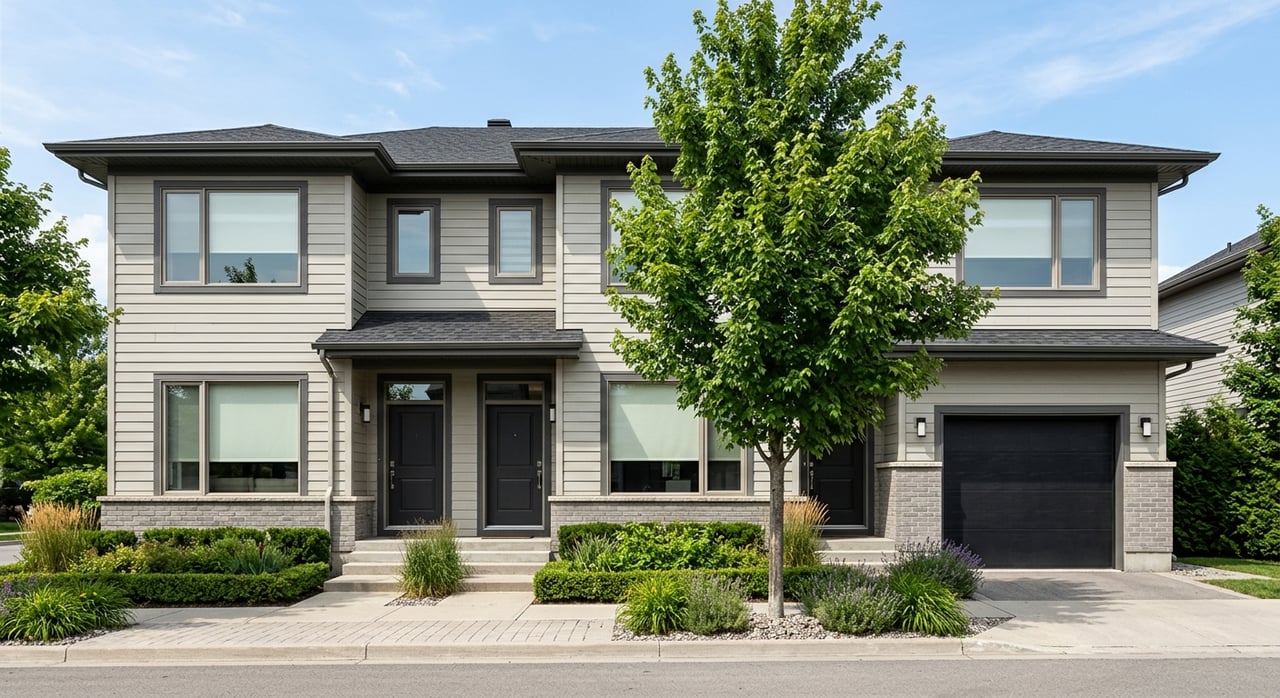
If you are thinking about buying in South Jordan, chances are you have come across a master-planned community and wondered whether it is the right fit for your lifestyle. These neighborhoods can offer a lot, from shared amenities and walkable design to a more coordinated look and feel, but they also come with rules, fees, and layers of governance that deserve a close look. This guide will help you understand how South Jordan’s master-planned communities work, what to compare before you buy, and where careful due diligence matters most. Let’s dive in.
Why master-planned living matters in South Jordan
Master-planned communities are not a small side story in South Jordan. According to the city’s planning materials, roughly one third of the city, about 4,201 acres, is zoned Planned Community. That makes this style of development a major part of the local housing market rather than a niche option.
South Jordan has also grown into a large suburb in the southwest Salt Lake Valley, about 18 miles from downtown Salt Lake City. The city reports a population of 89,114 and a median home value of $650,500. For buyers, that means understanding planned communities is a practical step if you want a clear picture of your options in this market.
Daybreak is the clearest example
When people talk about master-planned living in South Jordan, Daybreak is usually the first community that comes up. The city describes Daybreak as a 4,200-acre subdivision with parks, single-family homes, apartments, condos, townhomes, retirement communities, Oquirrh Lake, and Soda Row. In other words, it covers a wide range of housing types and living experiences.
One important thing to know is that Daybreak is not one uniform neighborhood. Its official village structure includes areas such as Watermark, Cascade, SpringHouse, South Station, Lake Village, The Island, and Downtown/Ballpark District. That creates multiple micro-markets inside the larger Daybreak name.
How villages shape your buying experience
The village you choose can change your day-to-day experience in a big way. Some areas emphasize shoreline living near Oquirrh Lake, while others focus more on trail access, transit convenience, or age-restricted living. That means two homes in Daybreak can feel very different even if they share the same master-planned label.
For example, Lake Village and The Island emphasize living near the water. South Station is tied more closely to walkability near TRAX and mixed-use services. Cascade and Watermark connect closely to the Watercourse and trail system, while SpringHouse is the newest 55+ village.
If you are comparing homes, it helps to think beyond square footage and price. A better question is whether the specific village matches how you want to live every day.
What draws buyers to these communities
The appeal of master-planned living often comes down to convenience and shared amenities. In Daybreak, official community materials highlight Oquirrh Lake, the Watercourse, The Loop trail network, The Spoke bike park, the Daybreak Community Center, five main pools, community gardens, sport courts, pavilions, and The Beach Club for resident watercraft use.
That amenity package can be a real advantage if you want outdoor access, activity options, and a neighborhood with built-in gathering spaces. The community also has LiveDAYBREAK, a Community Council that helps coordinate programs, activities, and services. For many buyers, that layer of programming is part of the value.
At the same time, it is smart to verify what is currently available. Official amenity information notes that watercraft rentals at the Watercourse Boat House are paused for the 2025 season. Amenities can change, so it is worth confirming access rules and current operations before you rely on a feature in your decision.
The design is intentional
One of the biggest differences in a master-planned community is that the neighborhood character is not accidental. Daybreak’s materials emphasize front-porch living, pocket parks, walkable streets, and architectural variety within a coordinated design system. There are also guidelines for architecture, landscape, materials, parking, pets, and landscaping limitations.
For some buyers, that consistency is a major plus. It can create a more cohesive look and a predictable neighborhood feel. For others, the tradeoff is less flexibility when it comes to exterior changes or personal preferences.
Understand the governance structure
A master-planned community usually has more than one layer of oversight. In Daybreak, South Jordan is the municipal layer, which means the city governs the area as part of the larger community. On top of that, the association handles private governance and common-area maintenance.
During the development and sale period, the master developer appoints a majority of board members, with homeowner elections coming later. That is not unusual in a large developing community, but it helps explain why the governance structure may look different in a newer phase than in a fully built-out one.
If you are buying a condo or townhome, the structure may be even more layered. Attached-residence packets can include additional information on ownership, maintenance, insurance, community structure, sound, overhead power lines, and radon. In some cases, there may also be additional associations beyond the main master association.
HOA costs can be more layered than expected
One of the most important things to understand before buying in a South Jordan master-planned community is the true monthly or quarterly carrying cost. In Daybreak, the 2025 assessment notice lists a quarterly base assessment of $328.50 and a quarterly internet fee of $99.00, for a total quarterly assessment of $427.50 for most homes.
That is only the starting point. Benefited Service Area assessments can vary by neighborhood, from Lake Village’s $30 quarterly charge to Water Garden’s $555 quarterly charge. Some areas may also have snow-pushing charges.
This is why the HOA line you first see on a listing may not tell the whole story. The total cost can depend on the village, property type, and any sub-association structure tied to the home.
Fees to ask about before you write an offer
Before moving forward, make sure you understand every recurring and transaction-related fee connected to the property. Key items to review include:
- Base association assessments
- Internet or bundled service fees
- Benefited Service Area assessments
- Any sub-association dues
- Snow-related service charges, if applicable
- Working-capital contributions
- Transfer assessments tied to resale
Daybreak disclosure documents state that the community may impose base assessments, service-area assessments, working-capital contributions, and a transfer assessment of up to one-half of one percent of the gross sales price for most transfers, paid by the seller. Even when a fee is not your direct closing cost, it can still affect how the transaction is structured and how you compare one home to another.
Due diligence matters more here
Buying into an HOA means you are not just buying a home. Utah’s HOA guidance explains that you are also buying a joint ownership interest in common areas. In a master-planned community, that often means one master association plus one or more sub-associations.
That is why document review is so important. Before closing, buyers should review the governing documents, fee schedule, recent budgets and financial statements, meeting minutes, reserve information, and the rules on rentals, parking, pets, and exterior changes.
Timing matters too. Utah’s checklist notes that sellers are generally the ones who request the HOA documents from the association, and the HOA has up to 14 days to respond. If you are serious about a property, it is wise to gather those materials early so there is time to review them carefully.
What to check beyond the home itself
In a master-planned community, your research should go beyond the house, floor plan, and finishes. A smart review process includes:
- The exact village or district
- The current fee structure across all HOA layers
- Amenity access rules and guest policies
- Exterior change restrictions
- Parking and pet rules
- Rental limitations, if they matter to you
- Reserve and budget health
- What may be built nearby
South Jordan’s planning page says zoning and future land use maps are publicly available. That can be especially useful if you are deciding between lots, edge locations, or homes near future phases. In a community where development continues over time, nearby land use can shape your long-term experience.
The tradeoff: convenience vs. control
The simplest way to think about South Jordan’s master-planned communities is this: you are often trading some control for more shared convenience and coordinated living. If you value amenities, community programming, walkability, and consistent neighborhood character, this setup may feel like a strong fit.
If you want fewer rules, simpler fee structures, or more freedom with exterior changes, another type of South Jordan neighborhood may fit you better. Neither option is automatically better. The right choice depends on what matters most to you and how you want your home to function in daily life.
How to buy with clarity
A good purchase in a master-planned community starts with asking better questions. Instead of only asking whether you like the house, ask whether you are comfortable with the rules, fees, village identity, and long-term setting that come with it. That is often where the best buying decisions are made.
With South Jordan’s size, growth, and large share of planned-community zoning, this is a market where local guidance can make a real difference. When you compare villages, read disclosures closely, and review the full cost structure, you put yourself in a much stronger position to buy with confidence.
If you want help comparing South Jordan neighborhoods, evaluating HOA documents, or narrowing down which master-planned setting fits your goals, Tricia Vanderkooi offers the kind of local, hands-on guidance that can make the process feel clear and manageable.
FAQs
What is a master-planned community in South Jordan?
- In South Jordan, a master-planned community is a large, intentionally designed neighborhood with coordinated housing, amenities, common areas, and HOA governance. The city says roughly one third of South Jordan, about 4,201 acres, is zoned Planned Community.
What should buyers know about Daybreak villages in South Jordan?
- Buyers should know that Daybreak includes multiple villages and districts, such as Lake Village, South Station, Cascade, Watermark, The Island, and SpringHouse, and each one can offer a different setting, housing mix, and lifestyle focus.
What HOA fees should buyers expect in Daybreak?
- Buyers should expect more than one possible fee layer. The 2025 Daybreak base quarterly assessment is $328.50, plus a $99.00 quarterly internet fee for most homes, and some neighborhoods also have additional Benefited Service Area charges or other assessments.
What documents should buyers review in a South Jordan HOA community?
- Buyers should review governing documents, fee schedules, budgets, financial statements, meeting minutes, reserve information, and rules covering rentals, parking, pets, and exterior changes.
Why should buyers check future land use in South Jordan?
- Buyers should check South Jordan’s zoning and future land use maps because nearby development, future phases, and land-use changes can affect the feel and function of the area around a home over time.
Are amenities in Daybreak always available as advertised?
- Buyers should not assume every amenity is always available in the same way. Official community information notes that some access details can change, so it is important to verify current amenity operations, rules, and guest policies before buying.